Plastic surgeon · Midtown

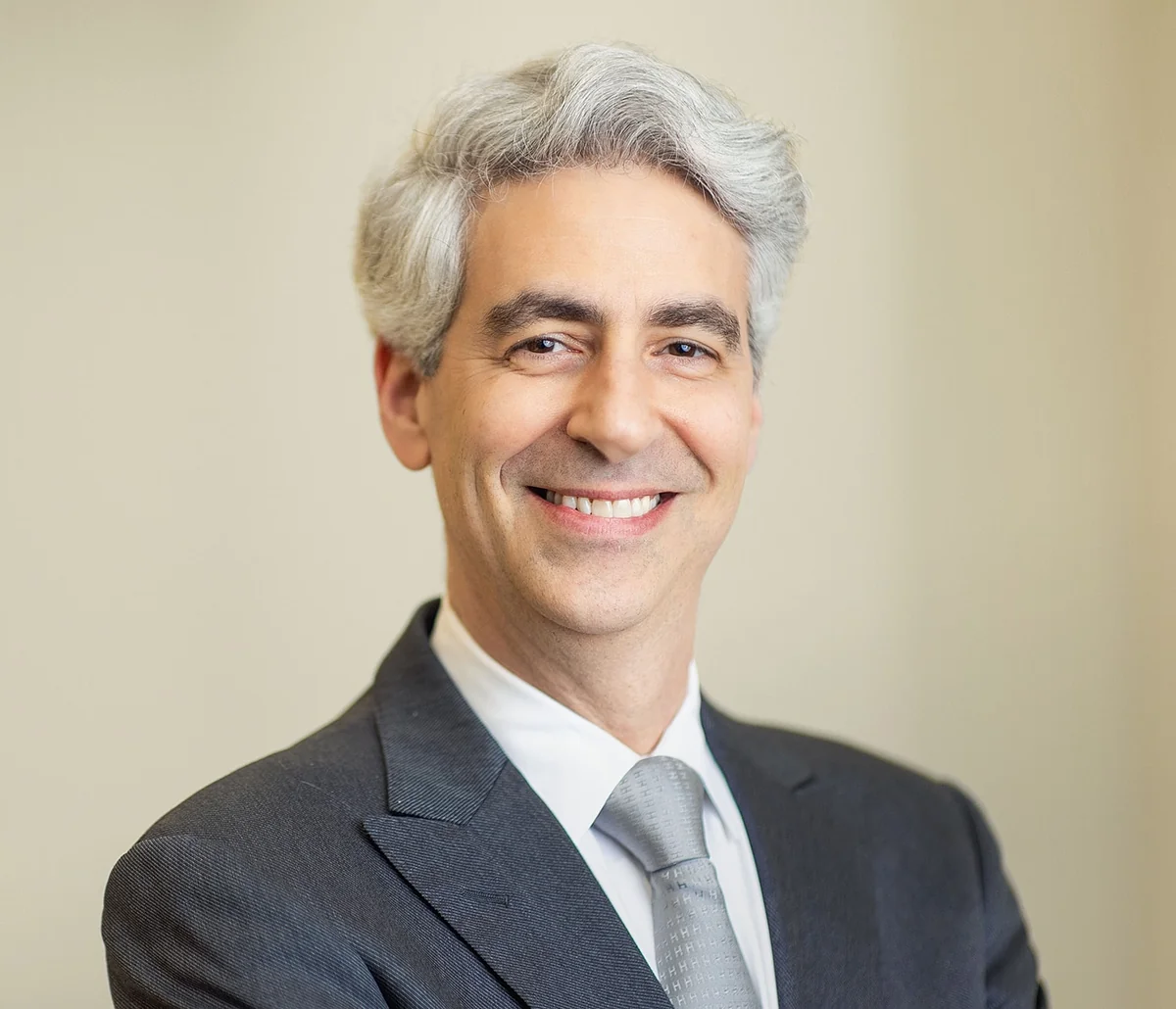
Dr. Cory S. Goldberg

BSc, MD, MASc, FRCS(C), FACS, MBA

A plastic surgeon at FORM Face + Body with advanced craniofacial training and a practice spanning facial, breast and body procedures.

FORM Face + Body is TopSurgeons.ca’s highlighted clinic. Placement is not a clinical ranking or evidence of better outcomes.

Dr. Cory S. Goldberg

About Dr. Cory S. Goldberg

Dr. Cory S. Goldberg studied medicine at Queen’s University and completed plastic surgery residency at the University of Toronto, alongside a master’s degree in biomedical engineering. He later undertook advanced craniofacial training at the University of Southern California and Cedars-Sinai Hospital.

FORM identifies him as a former head of plastic surgery at Trillium Health Partners and reports plastic surgery certification in Canada and the United States. His Toronto practice includes breast surgery, body contouring and facial procedures, with a particular interest in facial aesthetics informed by his craniofacial training.

His work beyond clinical practice includes teaching at the University of Toronto and volunteering with Operation Smile on cleft lip surgery. He also completed an executive MBA through Cornell and Queen’s and has contributed to the development of surgical facilities outside hospitals in Ontario.

Biography summarized from the published biography.

About the practice

FORM Face + Body

Practice-reported affiliation. Visit the original surgeon profile for their training, experience and current consultation options.

SpecialtyPlastic surgery
Location90 Eglinton Avenue East, Suite 700, Toronto, ON M4P 2Y3
Details checked2026-09-27

A closer look at your options

Procedures & areas of care

Dr. Goldberg’s documented practice spans facial surgery, breast procedures and body contouring, informed by additional craniofacial training. His FORM profile also includes physician-performed skin resurfacing. The guide below explains the different treatment goals and planning decisions.

Facial surgery

His practice includes work on facial proportions and signs of aging. Each treatment addresses a different structural concern, from the nose and chin to the brows, eyelids and lower face.

Facelift: SMAS, deep plane and limited approaches

Repositions facial tissues to address jowls and lower-face laxity. FORM describes SMAS, deep plane and more limited approaches; the choice depends on the areas affected, tissue mobility and previous surgery. A neck lift may be considered when concerns continue below the jaw.

At your consultationAsk which structures will be treated and why that technique fits your anatomy.

Neck lift

Focuses on loose skin, muscle banding or fullness beneath the jaw. Treatment can involve skin redraping, work on the platysma muscle and fat reduction. It may be performed alone or with a facelift when both the lower face and neck contribute to the concern.

At your consultationDiscuss which component of the neck is causing the change you see.

Brow lift

Repositions a descended brow to address heaviness in the forehead and upper-eye area. Incision placement and the extent of lifting vary by anatomy. A brow assessment is distinct from examining excess eyelid skin, although the two areas may be considered together.

At your consultationAsk whether brow position, eyelid skin or both are contributing to heaviness.

Upper and lower eyelid surgery

Blepharoplasty addresses excess upper-eyelid skin or lower-eyelid bags and contour changes. Upper and lower eyelid operations have different goals and techniques. Assessment considers eyelid support, skin and fat rather than treating every tired appearance in the same way.

At your consultationDiscuss eye health, dryness, eyelid position and realistic changes to your expression.

Rhinoplasty

Changes nasal shape by working with the nose’s bone, cartilage and soft tissue. Planning considers the bridge, tip, proportions and breathing function. The approach depends on the starting anatomy and any previous nasal surgery, with cosmetic and functional concerns discussed together.

At your consultationAsk how breathing will be assessed and which proposed changes have anatomical limits.

Chin augmentation

Addresses a recessed or less prominent chin to change facial balance and the profile. FORM discusses implants and bone-based approaches. The assessment considers chin projection in relation to the nose, lips, jaw and neck rather than the chin in isolation.

At your consultationConfirm which technique the surgeon recommends and the trade-offs between available approaches.

Breast & chest surgery

Breast planning may focus on size, position, symmetry or a previous operation. Augmentation, lift and reduction are distinct operations even when they are combined.

Breast augmentation

Adds breast volume using implants selected around chest width, existing tissue and the desired shape. Planning includes implant material, dimensions, placement above or below the muscle, and incision location. A lift may be discussed separately when skin laxity or nipple position is also a concern.

At your consultationAsk how implant choices affect future monitoring and revision needs.

Breast augmentation with fat transfer

Uses fat collected with liposuction to increase breast fullness without an implant. The fat is prepared and placed into the breast in small amounts. Available donor fat, the size of the desired change and how much transferred fat survives all influence the plan.

At your consultationAsk about expected volume, donor areas and the possibility of repeat treatment.

Composite breast augmentation

Combines an implant with fat grafting. The implant supplies the main increase in volume, while fat can soften visible edges or refine specific contours. This involves both breast surgery and a donor area for liposuction, so planning must account for both parts of recovery.

At your consultationDiscuss why the combined approach fits your anatomy better than either option alone.

Breast lift and augmentation with lift

A mastopexy reshapes the breast and raises the nipple by removing excess skin. It addresses position and skin laxity rather than simply adding size. Depending on existing volume, a lift may be combined with an implant, fat transfer or reduction.

At your consultationReview the proposed scar pattern and whether additional volume is needed.

Breast reduction

Removes breast tissue and excess skin to reduce weight and reshape the breast. Nipple repositioning is usually part of the operation. The technique depends on tissue volume, skin quality and the change being sought, including concerns such as heaviness or difficulty with activity.

At your consultationDiscuss scarring, sensation, breastfeeding considerations and the intended size change.

Breast revision and implant correction

Addresses concerns after earlier breast surgery, including implant position, changing shape, asymmetry or capsular contracture. Revision can involve implant exchange or removal, adjustment of the implant pocket, a lift or fat grafting. The operation is planned around the previous surgery and current tissues.

At your consultationBring previous operative records and implant information if available.

Breast asymmetry correction

A tailored combination of procedures addresses differences in breast size, shape or nipple position. A lift, reduction, implant or fat transfer may be used, sometimes with different techniques on each side. Planning focuses on improving balance rather than promising identical breasts.

At your consultationDiscuss which differences can reasonably be improved and which may remain.

Tuberous breast correction

Treats a constricted breast shape that can involve a narrow base, limited lower-pole development or a prominent areola. The surgical plan may combine release and reshaping of the tissue with changes in volume or areolar size. Techniques vary with the particular anatomy.

At your consultationAsk whether reshaping alone, implants or a staged plan is appropriate.

Inverted nipple correction

Addresses a nipple that retracts inward rather than projecting outward. The technique depends on the degree of inversion and the underlying tissue tethering. Planning includes the desired projection, the possibility of recurrence and the importance of preserving function.

At your consultationDiscuss potential effects on nipple sensation and future breastfeeding.

Gynecomastia surgery

Reduces enlarged male breast tissue through liposuction, direct removal of glandular tissue, or both. Excess skin may also need attention. The chest examination helps distinguish fat, gland and skin concerns and determines how the treatment can improve contour.

At your consultationAsk which tissue is contributing to fullness and where incisions would be placed.

Body contouring

These options address localized fat or excess skin, including changes after pregnancy or substantial weight loss. The operation is tailored to the areas involved.

Tummy tuck and abdominal repair

Removes excess abdominal skin and can repair separation in the abdominal wall. A full abdominoplasty addresses a broader area than a mini tummy tuck and may be combined with liposuction. The plan depends on skin distribution, muscle separation and previous scars.

At your consultationDiscuss the extent of repair, scar placement and restrictions during recovery.

Mini tummy tuck

A more limited abdominal operation focused on excess skin below the navel. It does not provide the same correction of upper-abdominal laxity as a full tummy tuck. Suitability depends on where the skin excess and any muscle separation are located.

At your consultationAsk what a mini procedure would leave untreated compared with a full abdominoplasty.

Mommy makeover

An individualized combination of breast and body procedures for changes after pregnancy or breastfeeding. It can bring together breast lift or augmentation, abdominal surgery and liposuction. The term describes a treatment plan, not a fixed package or the same operation for every patient.

At your consultationDiscuss whether procedures should be combined or staged and the help needed at home.

Liposuction

Removes localized fat through small incisions using a suction cannula. It can be performed on its own or alongside skin-removal surgery. Areas may include the abdomen, flanks, thighs, back or neck, with the treatment map determined during examination.

At your consultationAsk whether skin laxity requires a separate procedure rather than fat removal alone.

Body lift and lower body lift

Addresses loose skin around the trunk, often following substantial weight loss. A circumferential plan can include the abdomen, flanks, lower back and buttocks, with some effect on the outer thighs. The extent of surgery and scar pattern depend on the distribution of excess tissue.

At your consultationDiscuss staging, weight stability and recovery planning for a larger operation.

Arm lift

Removes excess skin from the upper arms, with liposuction where appropriate to address remaining fat. The incision pattern depends on how far the skin laxity extends. This procedure tackles hanging skin that fat removal alone may not resolve.

At your consultationDiscuss scar length, upper-body activity restrictions and the balance between contour and scarring.

Thigh lift: inner and outer thighs

Reshapes thighs by removing excess skin and, where needed, fat. Inner-thigh procedures focus on the medial leg; outer-thigh lifting can be part of more extensive lower-body contouring. Skin quality and the location of laxity guide the approach.

At your consultationAsk which thigh region will be treated and whether a longer incision is required.

Post-weight-loss contouring

A coordinated plan for excess skin remaining after major weight loss. Treatment may involve the arms, breasts, abdomen, trunk or thighs rather than a single area. Priorities, nutritional status and the size of each operation help determine the sequence.

At your consultationAsk which areas to treat first and whether several operations would be safer or more practical.
Deep skin resurfacing

FORM specifically identifies Dr. Goldberg for phenol peeling, a physician-performed procedure requiring a different assessment and recovery plan from a light cosmetic peel.

Phenol peel

A deep chemical resurfacing procedure for substantial facial skin damage and texture changes. FORM identifies Dr. Goldberg as the physician applying the phenol-croton oil solution with anaesthesia support and monitoring. This is more intensive than a routine light peel.

At your consultationDiscuss skin-type suitability, medical screening, healing time and pigment-change risks.

Make the consultation count.

Bring the questions that matter to you.

  • Which of these options addresses my main concern, and what would it leave unchanged?
  • Who will perform each part of treatment, and where will it take place?
  • What alternatives, risks, recovery requirements and follow-up should I understand?
  • What is included in the written treatment plan and fee?

Based on published clinician and practice information. Services reviewed 2026-10-08. Confirm the treating provider, current availability and suitability with FORM. This guide describes options; it does not recommend a treatment or guarantee an outcome.

Clinical profile sources

Patient perspectives

Explore reviews of the practice.

Google reviews are available for FORM Face + Body. They describe the practice and are not an individual rating for this surgeon.

Read practice reviews

Know the source.

Practice details and affiliations come from the linked first-party website. Registration and specialty should be checked independently before choosing care.