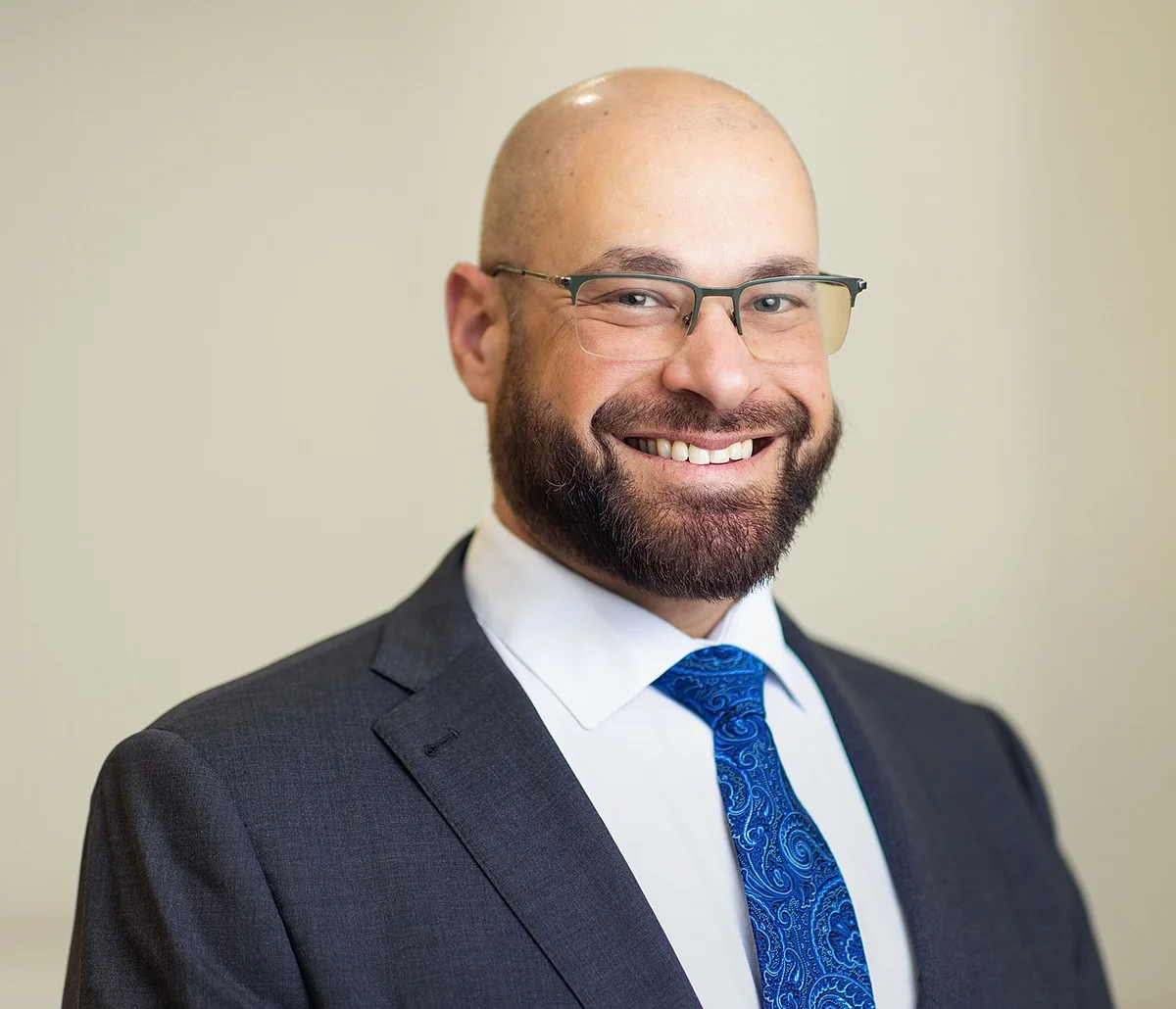
Hair-loss assessment & transplant planning
Dr. Brandt assesses the pattern of thinning, available donor hair and the intended treatment area before planning transplantation. Hairline shape, graft placement and density are considered together. Assessment can cover a receding hairline, crown thinning or female-pattern thinning; suitability depends on the cause of loss and donor supply.
At your consultationAsk which areas can be treated with the available donor hair and how the plan accounts for future thinning.
Manual FUE hair transplantation
Follicular unit extraction moves individual groups of follicles from a donor area to areas of thinning. Manual FUE gives the operator control over harvesting to accommodate hair angle, curl and scalp characteristics. It avoids a strip incision but still creates small donor-site scars. FORM offers manual FUE alongside robotic FUE.
At your consultationDiscuss why manual harvesting fits your donor area and who performs each stage of the transplant.
ARTAS iXi robotic hair transplantation
FORM identifies Dr. Brandt as the lead of its robotic hair-restoration program. ARTAS iXi uses imaging and robotic guidance to assist with follicle harvesting. The clinician assesses suitability and designs the treatment plan; robotic assistance does not replace the decisions about hairline design, graft use and donor preservation.
At your consultationAsk whether your hair characteristics suit robotic harvesting and how it compares with manual FUE in your case.
Revision hair transplantation & scar camouflage
Addresses concerns after an earlier transplant, such as an unnatural hairline, conspicuous grafts, uneven density or donor scars. FORM describes corrective FUE, graft redistribution and scar camouflage within this service and names Dr. Brandt for revision assessment. Previous scarring and the remaining donor supply can limit what is achievable.
At your consultationBring previous transplant records and photographs. Ask which changes are feasible and whether correction would require more than one stage.
Eyebrow hair transplantation
FORM’s transplant service also lists grafting for thinning eyebrows. This relocates selected follicles to the brow area, with attention to placement and growth direction. Assessment should establish the reason for thinning and whether transplantation is appropriate for the intended brow shape.
At your consultationConfirm availability with Dr. Brandt and discuss graft selection, ongoing grooming and the limits of density.
Hair preservation before & after transplantation
Transplantation redistributes existing donor hair; it does not stop untreated hair from thinning. FORM’s approach includes considering medical treatment and stabilizing loss where possible before surgery. Medication options and long-term monitoring depend on an individual assessment. Its current technique guide says FUT strip surgery is not routinely performed.
At your consultationAsk whether treatment should begin before surgery and how ongoing hair loss will be managed afterwards.