You want to change something about your face. You also want it to remain your face.
Those wishes can sit comfortably together. Perhaps it is the heaviness around your eyes that bothers you, or a change along your jawline. You can be quite clear about that concern while feeling less certain about how far you want to go. “Refreshed” sounds appealing. Looking unfamiliar does not.
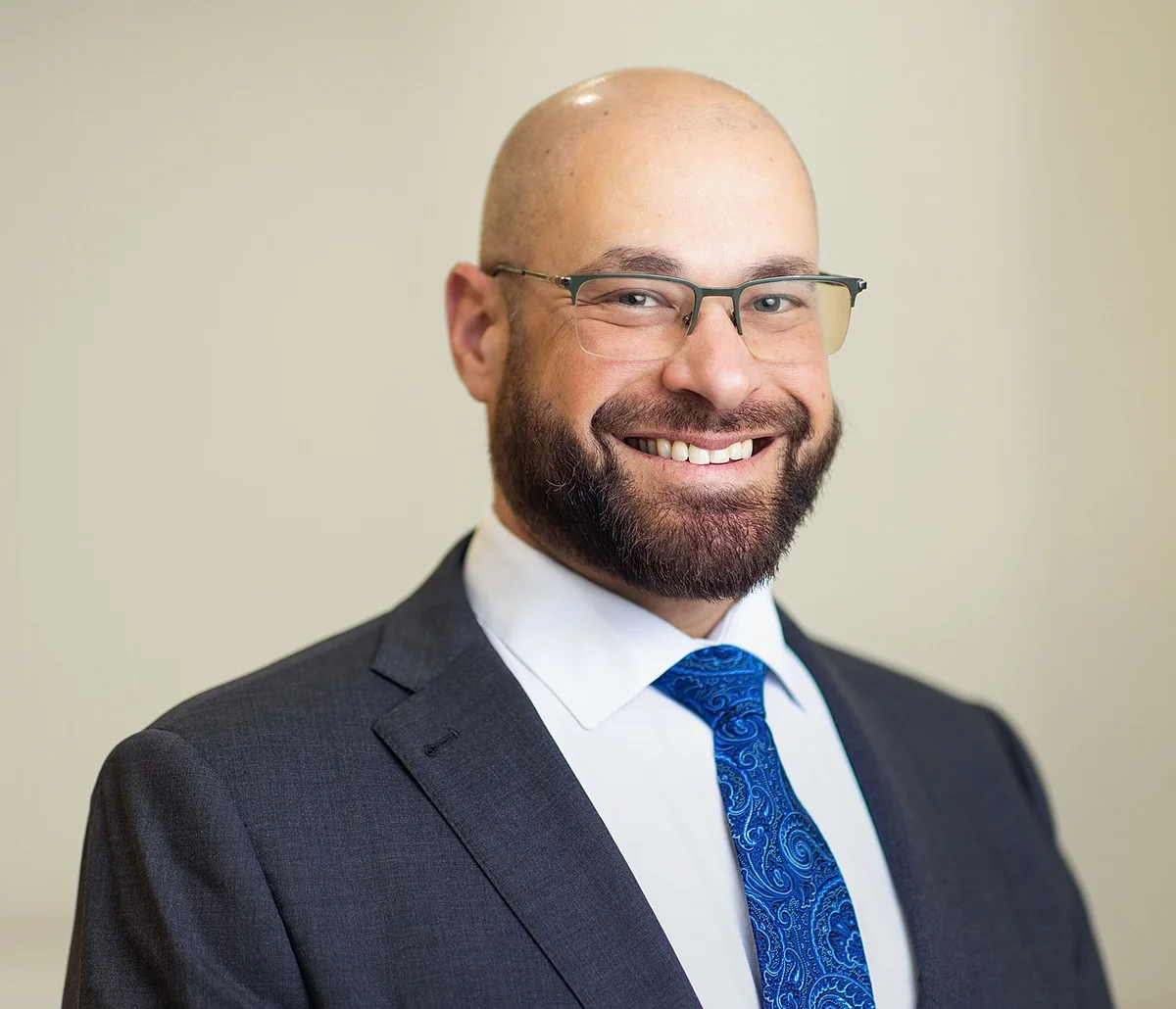
For Dr. Michael Brandt, a facial surgeon at FORM Face + Body in Toronto, that distinction is central to planning cosmetic treatment.
“The best cosmetic result isn't always the one that changes your face the most,” he says.
It is a useful thought to bring into a consultation, especially when photographs of dramatic transformations have started to shape your expectations. A result can be striking without being the result you would choose for yourself.
What would you like to keep?
When thinking about cosmetic surgery, it is easy to make a list of things you would like to change. Try making the other list, too.
The shape of your eyes. A family resemblance. The expression that feels like you. Those details can help explain what you mean when you ask for a natural-looking result.
“When I evaluate my work, I'm not just asking whether the wrinkles are gone or the skin is tighter,” Brandt says. “I'm looking at balance, proportions, and whether the person still looks like themselves.”
That gives “natural” a more useful meaning than simply “subtle.” The question becomes how a proposed change belongs within the rest of your face.
You may want a meaningful improvement. You may also want to preserve a feature someone else would choose to alter. Both preferences belong in the conversation.
A better starting point than a procedure name
It is tempting to arrive at a consultation having already chosen the treatment. You have read about eyelid surgery, looked at facelift photographs or saved a picture of a nose you like.
That research can help you explain your interests. But leave room to describe the concern in your own words before settling on the solution.
What is it that catches your attention in the mirror? When did you start noticing it? What would a satisfying change look like to you?
There is no need to make the answer sound clinical. “I would like my eyes to look less heavy, but I love their shape” gives the surgeon something personal and specific to discuss.
Brandt's own test is equally direct: “Have we improved what bothered them without introducing something new that draws attention?”
It invites a conversation about the whole result, including the things you hope will stay familiar.
Match the treatment to the concern
A face can show several kinds of change at once. The lower face may look less defined, the upper eyelids may feel heavier, and the skin itself may have developed uneven texture. Those concerns can belong in one conversation without calling for the same treatment.
A facelift addresses changes such as sagging facial tissues and jowls. Eyelid surgery focuses on the eyelid area. Skin treatments may be considered when texture is part of the concern. Understanding those differences helps you see why a procedure that appeals to you in photographs may or may not fit what you want to change.
The distinction also makes room for a more focused plan. If one feature is your main concern, ask what treating that area alone could achieve. If several areas bother you, ask whether it makes sense to address them together or separately.
You can explore the range of facial rejuvenation procedures in Dr. Brandt's profile before a consultation. Treat the names as a way to understand the conversation, rather than a menu you need to order from.
Use before-and-after photographs thoughtfully
Photographs can be useful when you know what you are looking for. Rather than saving only the most dramatic transformation, look for the detail that interests you. Is it a softer transition along the jaw? A less heavy upper eyelid? An overall appearance that feels familiar and unforced?
Bring that observation to the consultation. Ask whether the people in the examples had concerns similar to yours and what differences in anatomy might affect the comparison.
It is also worth asking when the photographs were taken, whether other treatments were performed and whether you are seeing comparable angles, expressions and lighting. Those questions help you understand what the images show.
A photograph can illustrate an outcome. It cannot tell you how your own face would respond or what the recovery felt like. Leave room for the surgeon to explain the limits of the comparison.
Let the consultation get specific
“Natural-looking” is a starting point. Before deciding on treatment, you need to know what it would mean in practice.
Ask the surgeon to explain the change they are proposing and how it relates to your features. If you bring reference photographs, talk about precisely what appeals to you. Is it the overall impression, the eyelid shape or something about the proportions?
Then make space for the less photogenic parts of the decision: recovery, risks, limitations and alternatives. Feeling comfortable with the intended appearance is one part of deciding whether a procedure is right for you.
You should also be able to say when a proposed change feels like too much. A clear plan needs your preferences as well as the clinician's assessment.
Choose a clinician as carefully as a look
An aesthetic approach may draw you to a surgeon. The practical details of care deserve the same attention.
Ask about experience with the procedure you are considering, where treatment would take place and who would be responsible for follow-up. If you are comparing consultations, keep notes using the same questions so you can return to the answers once the initial conversation has settled.
In Ontario, the CPSO physician register lets you check a doctor's registration and listed specialty. It is a useful step alongside reading a biography and discussing relevant procedure experience.
You can also get a wider sense of the setting through our FORM Face + Body practice overview. A practice's range of services provides context; your decision still comes back to the individual clinician and the care being proposed.
Ask what would happen if you were worried during recovery, how appointments are arranged and whom you would contact after hours. Those answers may not appear in a transformation photograph, but they are part of deciding whether you feel comfortable proceeding.
Recognising yourself in the goal
Brandt applies his thinking across treatments, from facelifts and eyelid surgery to non-surgical rhinoplasty. His aim is to help someone look like a refreshed version of themselves.
“Natural isn't an accident, it's the plan,” he says.
For someone exploring cosmetic treatment, that is an invitation to be specific about what matters. Tell the surgeon what you would like to improve. Tell them what you love. Give both parts of the conversation equal room.
Explore Dr. Brandt's profile or learn more about FORM Face + Body.
This article is for general information. Individual suitability, risks and expected results should be discussed with a qualified clinician.
About Dr. Michael Brandt
Dr. Michael Brandt is a Toronto facial surgeon practising at FORM Face + Body. His work includes facial plastic and reconstructive surgery and hair restoration. Dr. Brandt performs deep plane, traditional and mini facelifts; neck lifts; eyelid surgery (blepharoplasty); lip lifts; chin liposuction; chin augmentation with implants; buccal fat reduction; and non-surgical rhinoplasty, also known as liquid rhinoplasty. He also leads FORM’s robotic FUE hair-transplant program in Toronto.